A good home charging solution for electric vehicles combines technical reliability with thoughtful design and a seamless user experience. When you buy a wallbox, you are not buying a device, but a daily companion that must fit into architecture, everyday life, and the digital ecosystem.
Context: Electromobility is Growing, Expectations Too
The home charging sector is no longer a niche topic. According to the German Association of the Automotive Industry, over 520,000 new electric vehicles were registered in Germany in 2023, and the majority of charging processes take place at home. The demand for wallboxes is rising accordingly, but with it, the expectations of buyers are also increasing. Anyone choosing a home charging solution today is no longer just comparing charging power and price. They are asking: Does this product fit my home? Is it future-proof? Can I maintain or expand it remotely?
This shift from a technical product to a holistic experience is the core of a development that forces manufacturers to think of design and strategy together.
What Distinguishes a Thoughtful Wallbox from a Generic One?
Most wallboxes on the market fulfill their basic technical function. What sets them apart are the layers behind it:
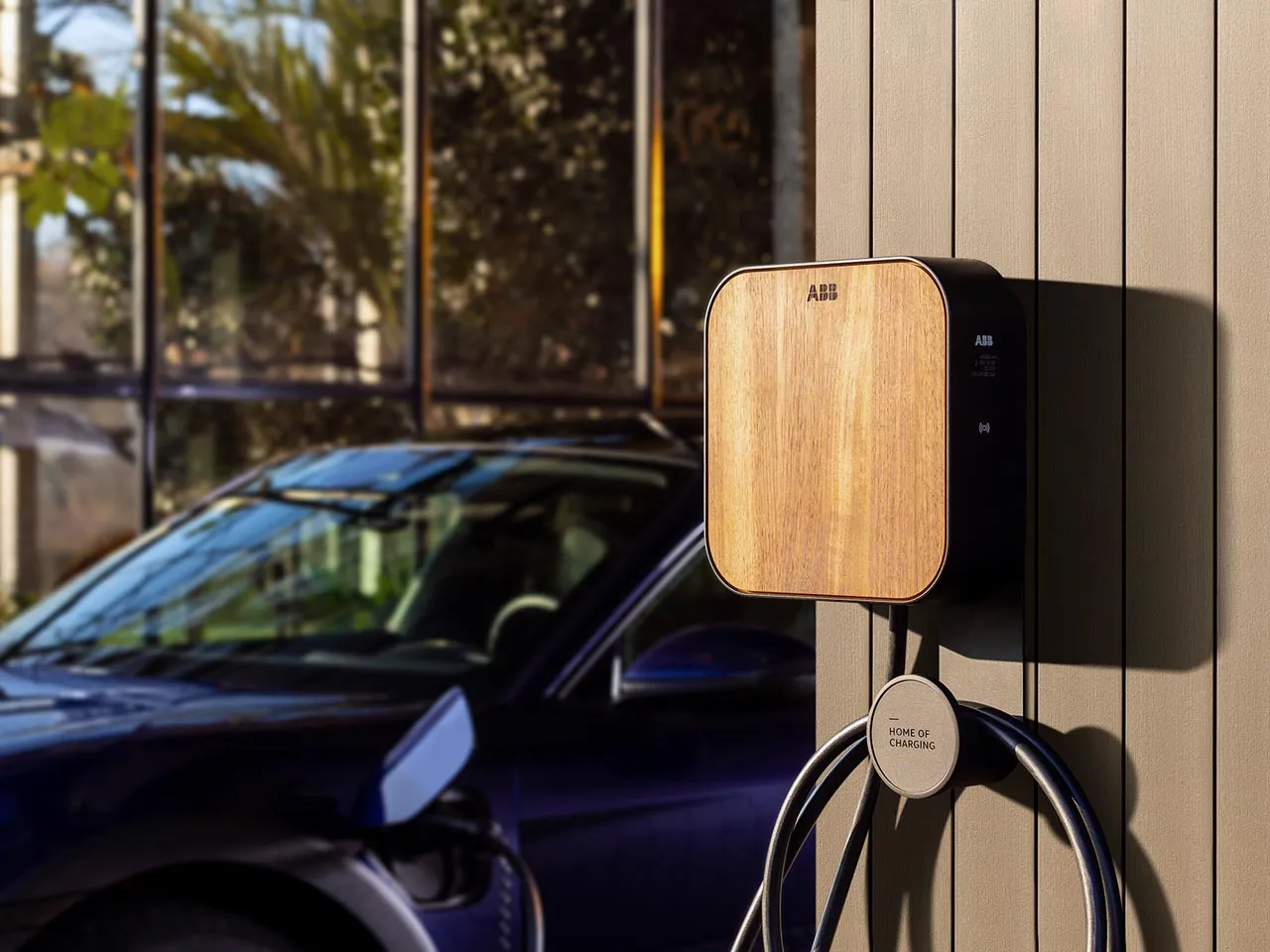
- Aesthetics and architectural compatibility: A minimalist housing with selectable covers blends into single-family homes, city apartments, and garages without being intrusive.
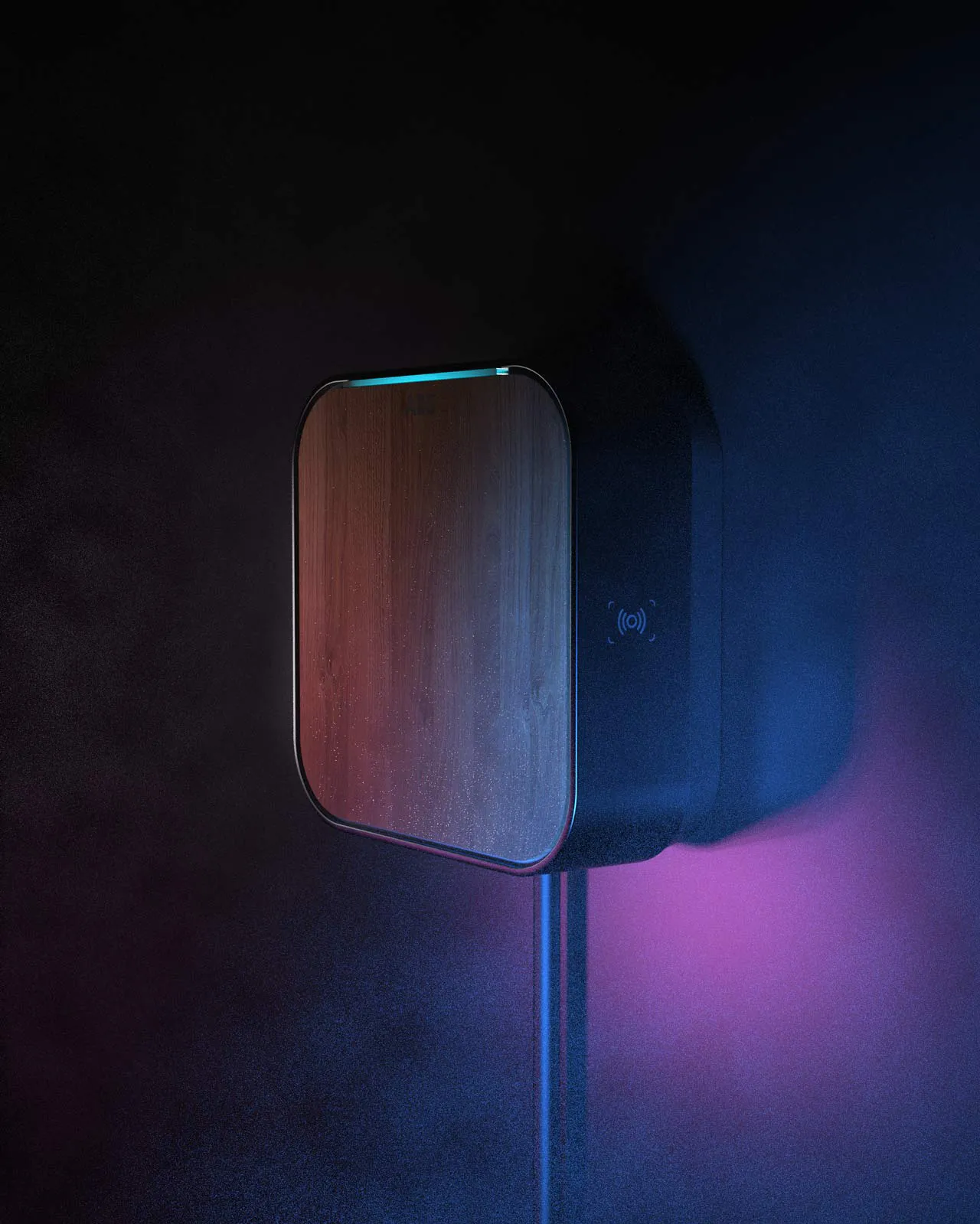
- Operating concept: A clear LED display and thoughtful app integration reduce complexity for the user to the essentials.
- Future-readiness: Remote firmware updates and open interfaces ensure that a product is not obsolete after three years.
- User-centric development process: Products born from real user needs solve problems that generic solutions never even saw.
These qualities do not emerge by chance. They are the result of a strategically guided design process.
What Role Does Design Leadership Play in Product Development?
Design Leadership doesn’t mean making a product look beautiful. It means anchoring design as a strategic force in the development process right from the start. This includes defining personas and user profiles as well as rapid prototyping, workshop formats with interdisciplinary teams, and consistent feedback loops between user feedback and product decisions.
For manufacturers of technical products that are traditionally heavily engineering-driven, this approach is often a real transformation. Design is not seen as an afterthought or packaging, but as an equal partner in the creation process.
Why is This Approach Economically Worthwhile?
Products that are developed in a user-centric way achieve higher recommendation rates, reduce support efforts through more intuitive operation, and build brand loyalty faster. In short: good design generates growth, not just attention.
How is a Product Created That Combines Technology and Experience?
The path from an idea to a market-ready product follows a proven process in successful projects:
- User research: Qualitative interviews and persona definitions lay the foundation. What do people really need, how do they live, what friction points do they have today?
- Requirements catalog: Based on the findings, a structured briefing is created that treats technical and experience-related requirements equally.
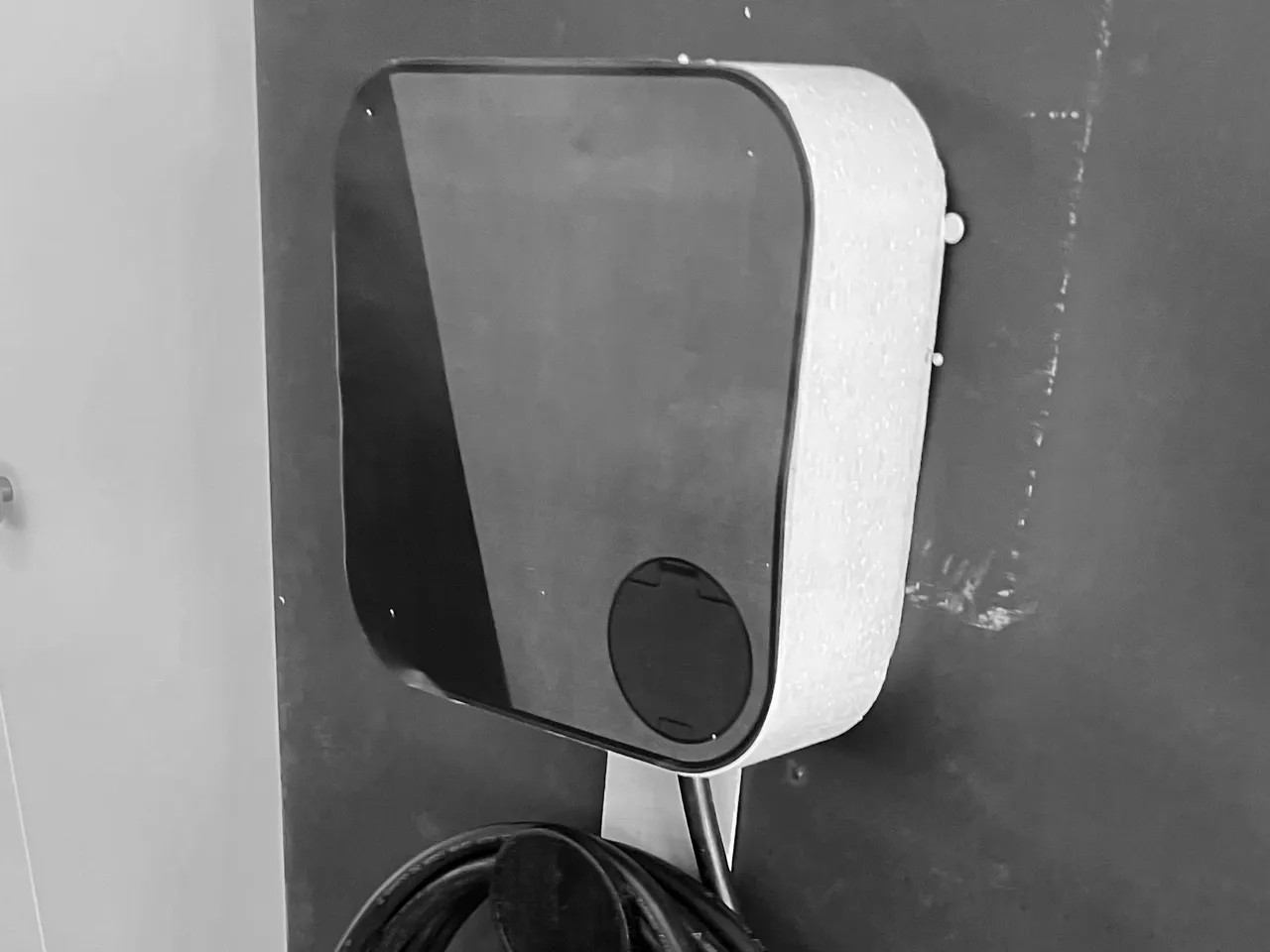
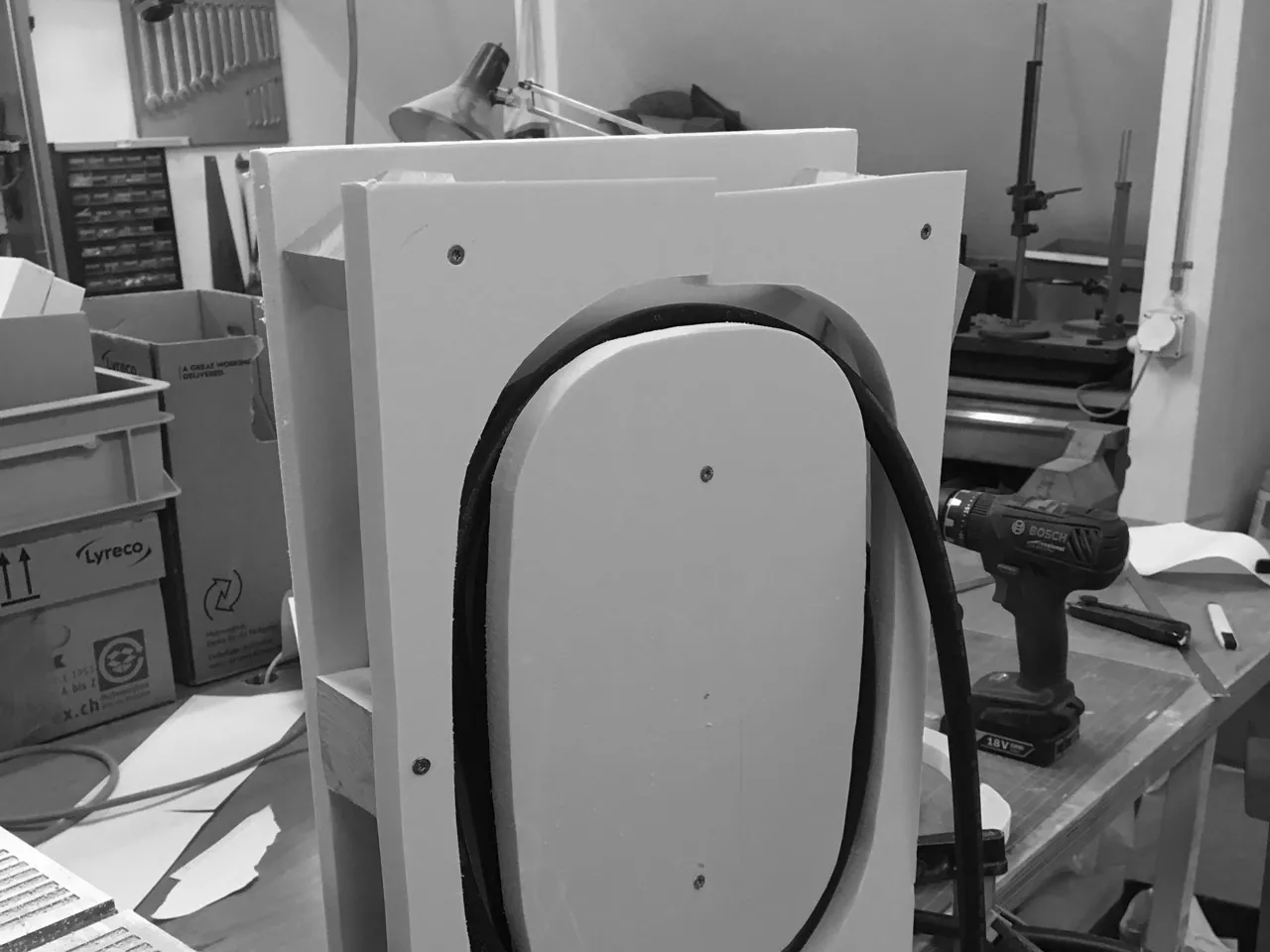
- Concept and Rapid Prototyping: Early models are quickly tested, discarded, and refined. This saves time and money in later development.
- Workshop collaboration: The manufacturer and design team work closely together so that technical feasibility and design aspirations grow together.
- Market launch and further development: A good product is not finished at launch; it is continuously improved through updates, user feedback, and new requirements.
What Brand Strategy Does a Technical B2C Product Need?
For companies like ABB, which have historically been firmly anchored in the B2B sector, the step towards the end consumer is a strategic leap. A technically excellent product alone is not enough. It needs clear positioning: What does this product stand for? What values does it embody? How does it communicate with a target group that is not made up of engineers?
The answers to these questions are brand strategy. And a brand strategy based on real user insights and consistent Design Leadership creates sustainable differentiation in a market increasingly characterized by interchangeable products.
The Vetica Perspective
When ABB introduced its first consumer product, the ABB Terra Home, at CES 2023, Vetica was involved as a strategic design partner from the very beginning. The project exemplifies the approach Vetica takes in product development: The process starts with the people, not the device.
Using persona definitions and qualitative interviews, Vetica developed a well-founded requirements catalog that structured the entire product development. Through rigorous rapid prototyping and close workshop collaboration with the ABB project team, a home charging solution was created that reconciles user needs with technical excellence. The minimalist housing with individually selectable covers, the interactive LED display, and the app integration are not stylistic choices; they are the direct translation of user insights into product form.
What distinguishes the project is not a single feature. It is the holistic process that turns an industrial product into an experience and transforms a B2B company into a credible consumer provider.
You can find more about this project and other work by Vetica in the projects.
Conclusion
A wallbox is more than a charger. It is a daily touchpoint between human, technology, and brand, and therefore a strategic decision. If you are developing a technical product that aims to convince people, talk to us: Vetica’s strategically oriented consulting brings Design Leadership from the first concept to the market launch.