Why do some products become classics? In his workshop at Zurich Design Weeks 2026, Peter Wirz shows how longevity in design comes about.
Some products disappear from the market after just a few years, while others become icons that endure for decades. The difference is rarely a matter of chance: it lies in a clear strategic stance that brings together design, function, and cultural relevance. This is precisely the question Peter Wirz places at the center of his workshop at Zurich Design Weeks 2026.
Context: why longevity is a competitive advantage today
Product life cycles are shrinking dramatically across many industries. At the same time, companies face growing pressure to use resources more responsibly and to develop products that remain relevant not just today, but tomorrow as well. For decision-makers in industry, consumer goods, and product design, this raises a central question: how does durability emerge when markets, technologies, and user needs are constantly changing?
According to a study by the Ellen MacArthur Foundation on the circular economy, extending the average product lifespan by just one year in certain categories could reduce resource consumption by up to 30 percent. This is not merely an ecological argument; it’s an economic one. Products with lasting relevance retain customers, strengthen brands, and drive sustainable growth.
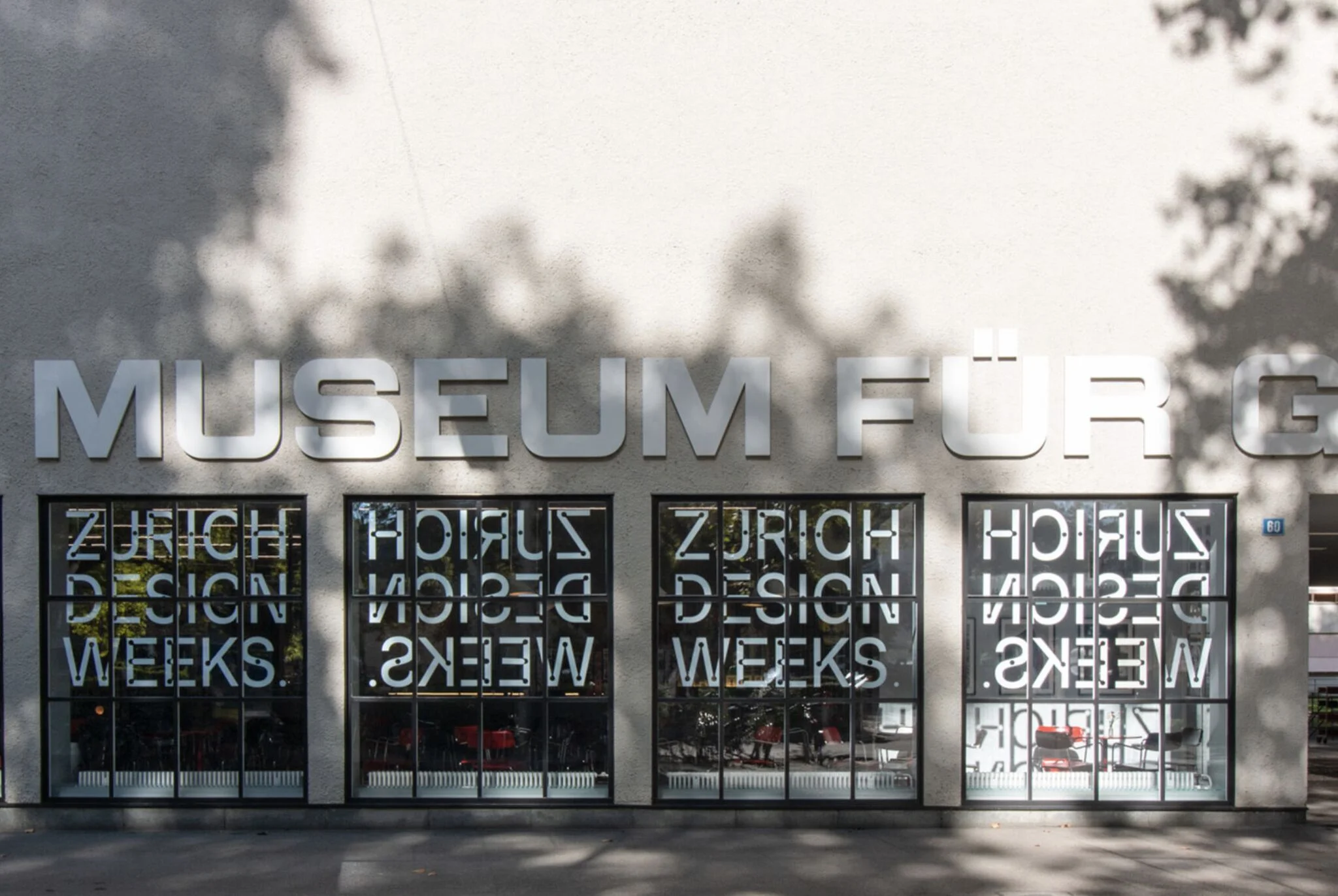
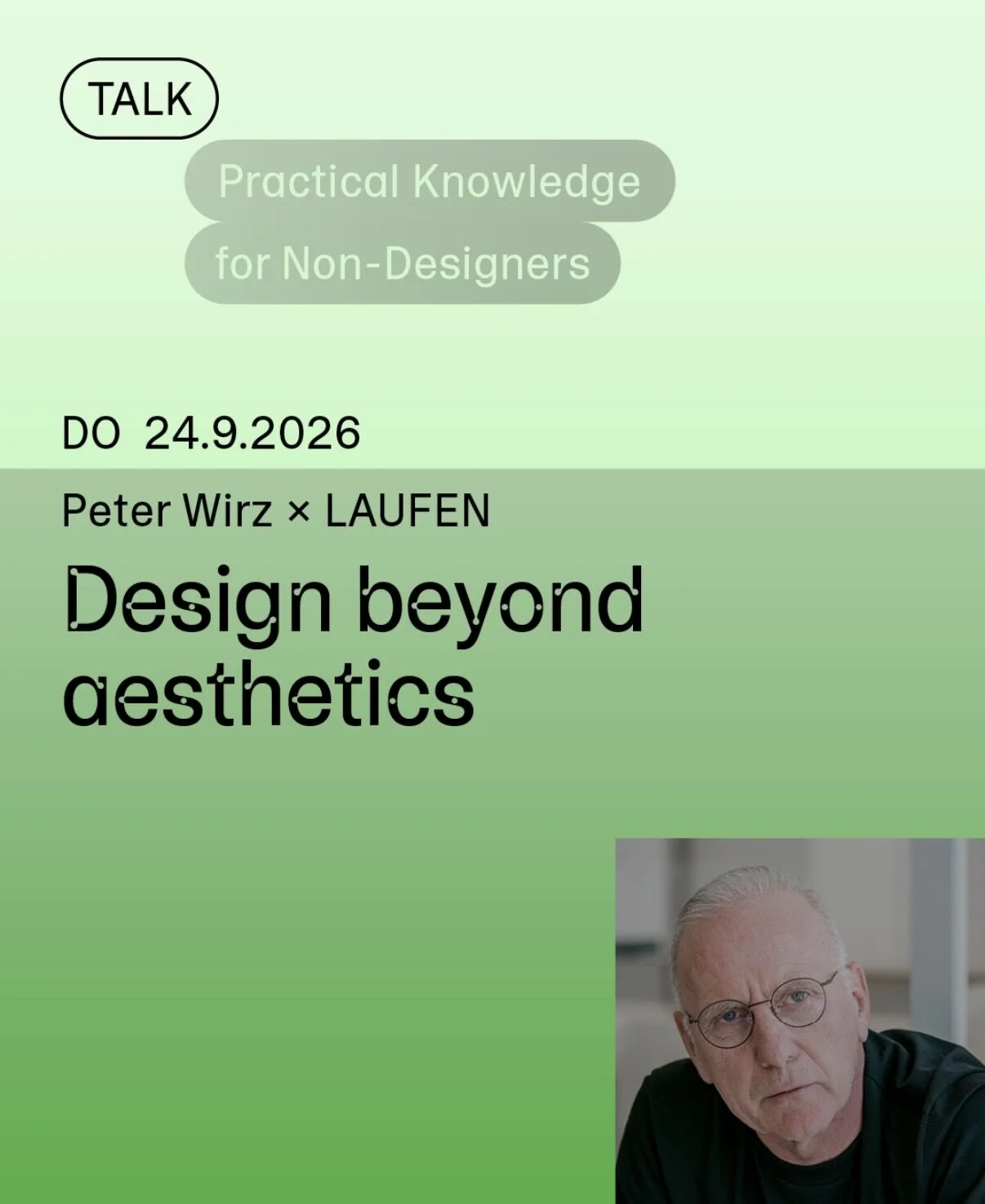
Against this backdrop, Peter Wirz, Managing Director and Chairman of Vetica Group AG, will present his workshop on Thursday, September 24, 2026, at the Museum für Gestaltung Zürich as part of the renowned Zurich Design Weeks. The event is explicitly aimed at non-designers, executives, entrepreneurs, and product leaders who want to understand how strategic design creates genuine business value.
What does product longevity mean in industrial design?
Product longevity is more than durability in the physical sense. It’s about a product’s ability to remain functionally relevant, aesthetically compelling, and culturally meaningful over the years.
In industrial design and product design, this manifests across three dimensions:
- Functional depth: The product solves a genuine problem in a way that doesn’t quickly become obsolete. It is intuitive, precise, and adaptable.
- Cultural anchoring: The product speaks a visual language that transcends fashion cycles while still remaining contemporary.
- Economic logic: The product is positioned so that it remains profitable for the company and attractive to the market over the long term.
These three dimensions cannot be separated from one another. Focus on aesthetics alone, and you risk rapid obsolescence. Focus on function alone, and you miss out on emotional differentiation. And neglect the economic perspective, and you end up building products the market won’t sustain.
Strategic design as a leadership responsibility
Design management creates the organizational conditions for design to contribute proactively to company strategy, rather than merely reacting to requirements. Concretely, this means:
- Design leaders are involved in strategic decisions at an early stage.
- Design processes are geared toward iteration speed and decision quality.
- Brand promise and product development are consistently aligned with one another.
For C-level decision-makers and product managers, this means: design is not a cost factor to be polished at the end of the development process; it is a strategic lever that must be considered from the very beginning. This perspective is at the core of business design, an approach that connects design thinking with entrepreneurial logic.
The case study: LAUFEN Bathrooms
A particularly vivid example of enduring product design is Vetica’s collaboration with LAUFEN Bathrooms. LAUFEN is a Swiss premium bathroom brand whose products don’t just meet functional requirements: they redefine the bathroom as a designed space.
In this project, Vetica demonstrated how
This approach can be applied across many industries, from furniture to consumer goods to capital goods. The LAUFEN project is proof of just how deep the connection between brand, product, and long-term growth can be. More projects of this kind can be found in the Vetica Portfolio.
Zurich Design Weeks 2026: the workshop for decision-makers
Peter Wirz’s workshop is part of the Practical Knowledge for Non-Designers series at Zurich Design Weeks, which positions the Museum für Gestaltung Zürich as one of Switzerland’s most important platforms for design discourse. This series is deliberately aimed at people who make decisions without being designers themselves.
The format on September 24, 2026, combines a one-hour talk in German with a subsequent group discussion:
- 10:30–11:30: Talk by Peter Wirz
- 11:30 –12:00: Group discussion
Peter Wirz brings not only academic knowledge but 25 years of practical experience as founder and Managing Director of an independent, globally operating brand and design agency. Participants can expect no abstract design jargon; instead, concrete tools and frameworks that apply directly to business decisions.
The Vetica perspective
At Vetica Group AG, we understand design leadership as a strategic stance, not an aesthetic preference. Our work with clients like LAUFEN shows that longevity in product design always emerges when three levels work together consistently: a clear brand stance, a deep understanding of user needs, and an economic logic that enables growth.
We work as an independent agency with decision-makers, not for them. That means we take strategic questions seriously from the very definition of the problem, not just once the briefing begins. Whether it’s repositioning a product line, building a coherent design strategy, or guiding a sustainable transformation: our approach is always holistic, forward-looking, and focused on measurable contribution to business success.
Our collaboration with LAUFEN, ABB, and other partners has shown us that the most impactful design decisions are rarely purely creative ones. They are business decisions, made early, implemented consistently, and strategically anchored.
Conclusion: longevity begins with a stance
Products that become classics are the result of clear strategic decisions, not happy accidents. Anyone who wants to understand how strategic design, product design, and design management work together to create long-term value will find a concrete, hands-on starting point at Peter Wirz’s workshop at Zurich Design Weeks 2026.
If you’d like to learn how Vetica Group AG can support your company in building enduring products and strong brands, get in touch: Vetica Design Consulting.